
The ramp at South Bend, Indiana, was alive with energy. Jets lined up wingtip to wingtip, volunteers hustled bags and athletes stepped off aircraft into a sea of cheers. Watching it all unfold was Russell W. “Russ” Meyer Jr., the longtime chairman and CEO, and Chairman Emeritus, of Cessna Aircraft Company, reflecting on what he believed aviation was always meant to do.
That moment, and countless others like it, became part of the enduring legacy of Russ Meyer, the visionary whose idea helped create what is now known as the Special Olympics Airlift. Russ passed away recently, but his impact lives on through every athlete welcomed, every volunteer who steps forward and every aircraft that answers the call.
Nearly 40 years ago, a simple phone call sparked the tradition. In 1985, Russ received a request from the Kansas Special Olympics to help transport 12 athletes to Salt Lake City for the Winter Games. Commercial travel would have taken days and multiple connections. Instead, those athletes arrived in just two hours — and experienced something extraordinary.
Reflecting on that first flight years later, Russ recalled that they didn’t have a blueprint, only a sense that the effort mattered. That instinct would shape one of the most meaningful traditions in business aviation.
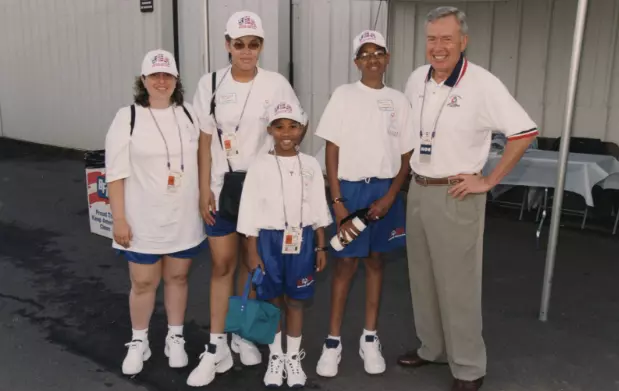
After that initial trip, Russ met with Sargent Shriver, founder of Special Olympics, and learned more about the challenges athletes faced traveling to the Games. Many came from small towns with limited airline service, making journeys long, expensive and exhausting.
Russ began to imagine something different — a way the business aviation community could use its unique capabilities to remove those barriers. His idea was simple but powerful: what if general aviation came together to give athletes a safe, fast and unforgettable experience?
In 1987, that idea became reality. At the Summer Games in South Bend, 130 Cessna Citation aircraft arrived and departed with remarkable precision — a jet touching down or taking off every 90 seconds. Volunteers worked tirelessly, greeting athletes with cheers, hugs and celebration. For many athletes, it was their first time flying, and their first time feeling truly celebrated before competition even began.
Russ often described one scene that stayed with him: an archway adorned with flowers, where every athlete was welcomed with smiles and applause. It was a small gesture that made a lasting impression and became a defining element of the Airlift experience.
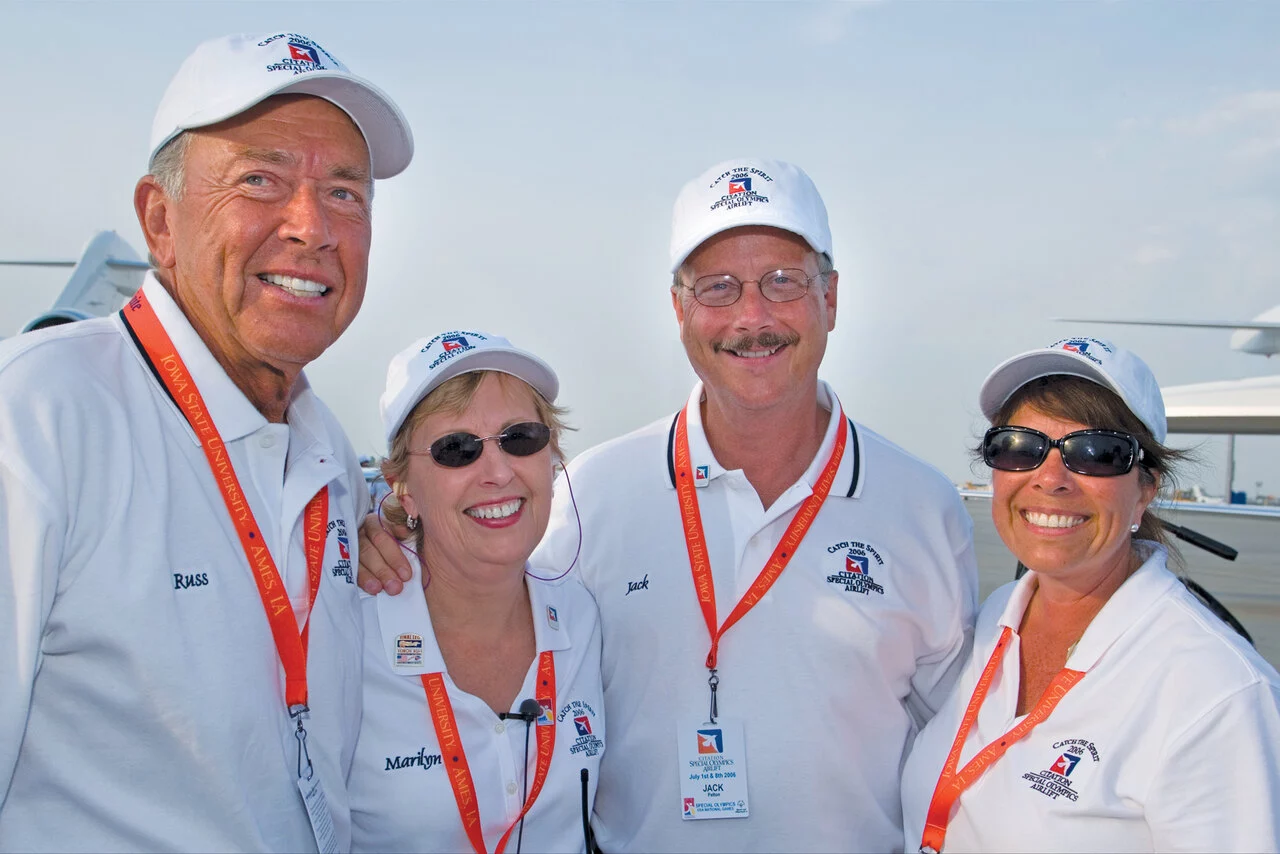
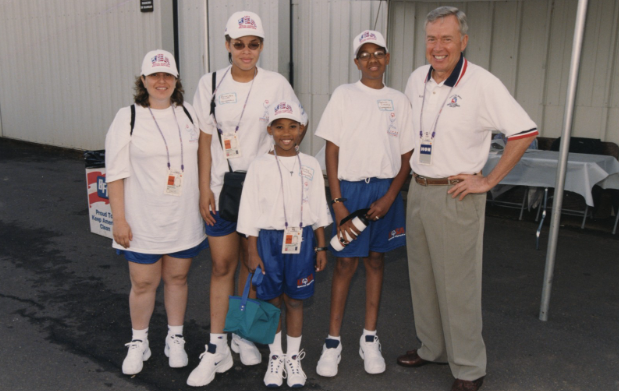
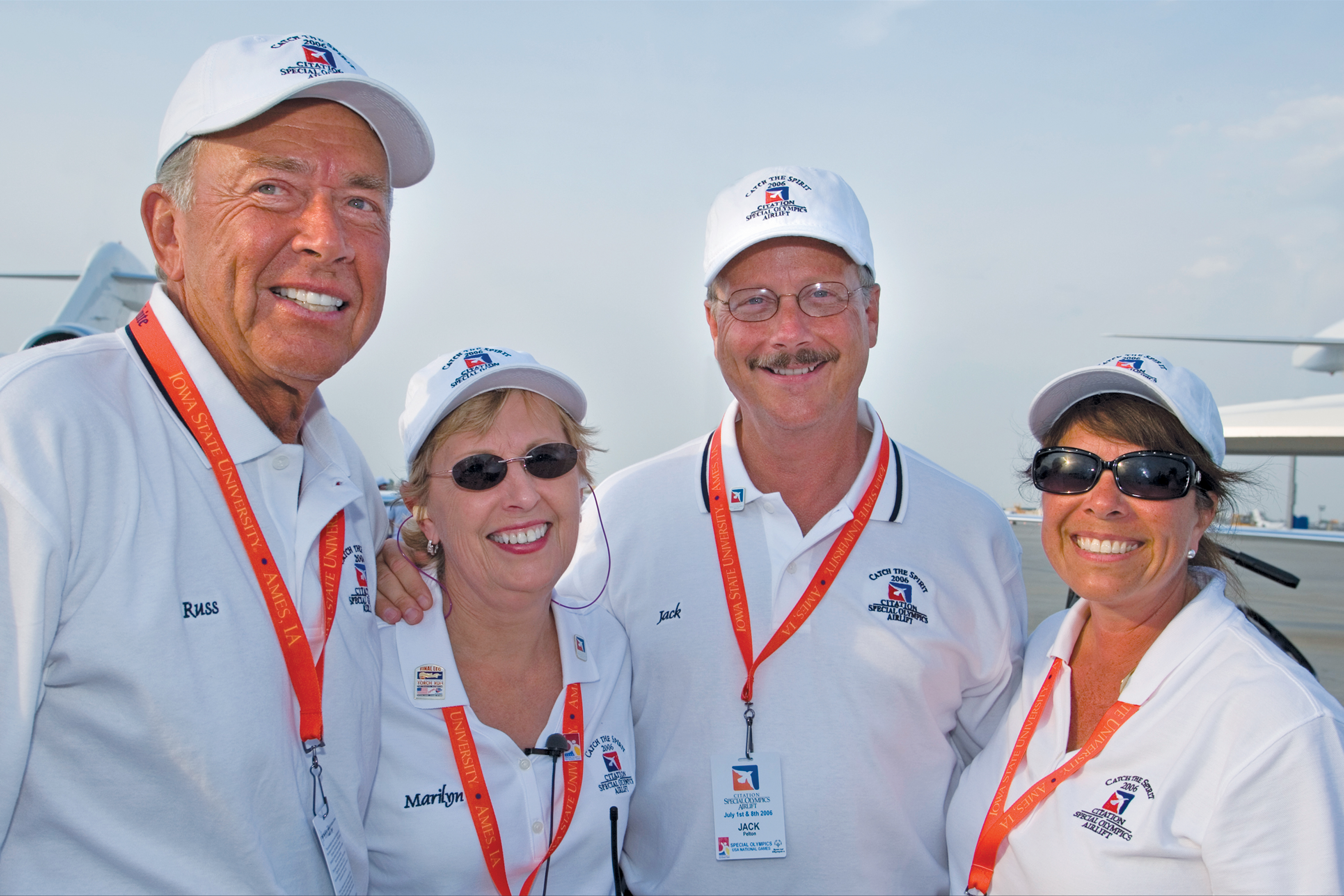
The Airlift has always been about more than transportation. It is about dignity, opportunity and joy, ensuring athletes arrive at the Games feeling valued and confident.
In conversations later in life, Russ often spoke about the smiles he saw when athletes stepped off the plane, and how those moments reinforced the purpose behind the effort. One memory he shared frequently was of a young athlete proudly holding her medals, radiating happiness. To him, that joy captured what the Airlift was truly about.
The mission has endured because of the people who continue to carry it forward. From the earliest events to record‑setting operations in Des Moines, volunteers across the aviation community have donated their time, aircraft and expertise. Flight crews, ground teams and air traffic controllers all play a role in creating a seamless and welcoming experience for athletes.
That generosity from Cessna, Beechcraft and Hawker owners and operators, and from crews who bring unmatched enthusiasm to every mission, reflects the spirit Russ believed defined the aviation community. For many participants, the Airlift has become not just a volunteer commitment, but a highlight of their careers.
Over the years, the Special Olympics Airlift grew into a logistical marvel. At its largest, 340 aircraft participated in a single event, creating a rhythm of arrivals and departures that lasted nearly 12 hours. Yet even as the scale expanded, the heart of the mission never changed. Russ often acknowledged the long days and hard work involved, but he believed the reward was always worth it, knowing the effort helped athletes feel celebrated before they ever stepped onto the competition floor.
Today, every Airlift carries forward that same belief. Each cheer on the ramp, each first flight and each moment of pride felt by athletes and families stands as a testament to Russ Meyer’s vision.
His legacy is not defined by aircraft counts or logistics, but by the thousands of lives lifted — and by a tradition that continues to show what aviation, at its best, can achieve when it puts people first.